If you’ve received or are planning to issue a demand notice, understanding its legal implications and procedure is crucial. A demand notice is a formal written communication issued by a creditor, lender, or business demanding the payment of outstanding dues or performance of a specific obligation within a defined time period.
In loan cases, a demand notice for loan is a vital step before initiating recovery or legal proceedings. Whether you are a borrower who received a notice or a lender preparing to send one, knowing your rights, obligations, and the proper legal process can make all the difference.
At AMA Legal Solutions, our legal experts assist individuals, lenders, and financial institutions in drafting, reviewing, and responding to demand notices to ensure compliance with Indian law and prevent unnecessary litigation.
Legal Framework of Demand Notice in India
A demand notice gains legal significance because it forms the foundation for subsequent recovery or enforcement proceedings. Various Indian laws recognize and regulate demand notices depending on the nature of the transaction.
Act / Provision | Applicability | Relevance |
|---|
Code of Civil Procedure, 1908 (CPC) | Civil suits and recovery proceedings | A demand notice is often a prerequisite to show intent before filing a summary suit for recovery. |
Negotiable Instruments Act, 1881 | Cheque bounce or dishonoured instruments | Section 138 mandates that a demand notice must be issued within 30 days of cheque dishonour. |
SARFAESI Act, 2002 | Secured loans and financial assets | Under Section 13(2), banks must issue a statutory demand notice before enforcing security interest. |
Recovery of Debts and Bankruptcy Act, 1993 (RDDBFI) | Recovery by banks/financial institutions | A demand notice forms the basis for Debt Recovery Tribunal (DRT) proceedings. |
Official References:
What Is a Demand Notice?
A demand notice is a written communication that formally demands the payment of a debt or the fulfillment of a contractual obligation. It serves three main purposes:
Legal Record – Creates a paper trail showing a formal demand was made.
Opportunity for Settlement – Allows the debtor to pay or negotiate before legal action.
Mandatory Pre-Litigation Step – In some cases (like cheque bounce or SARFAESI actions), it’s legally required.
A well-drafted demand notice can help resolve disputes early, avoid litigation, and protect both parties’ rights.
Difference Between a Demand Notice and Legal Notice
Aspect | Demand Notice | Legal Notice |
|---|
Purpose | Requests payment or compliance | Warns of impending legal action |
Formality | Less formal, factual | More formal, often drafted by an advocate |
Consequence | May lead to payment or negotiation | Often precedes a lawsuit or arbitration |
Tone | Professional, direct | Legal and assertive |
Example | Loan repayment request | Cheque bounce notice under Section 138 |
How to Draft a Demand Notice for Loan
Drafting a demand notice for loan requires precision, clarity, and adherence to legal standards. Here’s a step-by-step guide to ensure your notice holds legal weight.
Step 1: Gather All Relevant Documents
Loan agreement and sanction letter
EMI schedule and repayment record
Account statement showing defaults
Correspondence or reminders already sent
Security or collateral documents (if applicable)
Step 2: Drafting the Notice
Your notice should contain:
Name and address of borrower and lender
Loan details: Agreement date, amount, tenure, EMI details
Default statement: Number of missed EMIs or unpaid dues
Outstanding amount: Including principal, interest, penalty
Repayment demand: Clear amount and payment mode
Deadline: Reasonable period (usually 7–15 days)
Consequences: Mention potential legal actions if ignored
Signature: Lender or authorized legal representative
[Date]

To,
[Borrower’s Name & Address]

Subject: Demand Notice for Loan Repayment (Account No: XXXXX)

Dear [Borrower Name],

This is to inform you that you have defaulted in payment of EMIs under the loan agreement dated [Date] amounting to ₹[amount]. As of today, the outstanding dues stand at ₹[amount including interest and penalties].

You are hereby called upon to make the payment of the said amount within [number] days from the receipt of this notice, failing which legal proceedings for recovery will be initiated without further notice.

Yours faithfully,
[Authorized Signatory / Advocate Name]
[Designation / Firm Details]
What Happens If You Ignore a Demand Notice?
If the borrower fails to respond or repay after receiving a demand notice:
Summary Suit under Order XXXVII CPC – The lender can directly approach the civil court for recovery.
SARFAESI Action – In secured loans, banks can seize collateral after 60 days of notice.
Cheque Bounce Case (NI Act) – Legal proceedings can begin if post-dated cheques are dishonoured.
DRT Proceedings – Financial institutions can file for recovery under the Debt Recovery Tribunal (DRT).
Ignoring a notice also weakens the borrower’s position in future negotiations or court proceedings.
Practical Tips for Lenders and Borrowers
For Lenders / Creditors
✅ Verify that the loan documents are legally enforceable
✅ Double-check outstanding calculations
✅ Issue the notice through Registered Post A/D or Speed Post
✅ Retain proof of delivery
✅ Give a reasonable window (at least 15 days)
✅ Consult professionals at AMA Legal Solutions for accurate drafting
For Borrowers / Debtors
⚖️ Read the notice carefully — check accuracy of details
📅 Respond within the given timeframe
💬 Try to negotiate or propose a repayment plan
📄 Keep written records of your response
🧑⚖️ Seek immediate legal advice to avoid escalation
Case Study: How a Demand Notice Helped Avoid Litigation
Scenario:
Mr. A took a ₹15 lakh business loan and defaulted on three consecutive EMIs.
Action:
The lender issued a demand notice for loan outlining total dues and a 15-day repayment window.
Outcome:
Mr. A negotiated a revised schedule and avoided litigation. The lender received partial payment and restructured the balance through legal mediation.
👉 This example shows that timely communication through a demand notice often leads to amicable settlement instead of lengthy legal disputes.
Common Mistakes to Avoid
Lenders | Borrowers |
|---|
Not calculating interest correctly | Ignoring the notice completely |
Failing to send via registered post | Not verifying accuracy of amount |
Using vague language | Responding informally without legal review |
Missing loan account details | Missing response deadlines |
Avoiding these mistakes ensures both sides stay compliant and protect their rights.
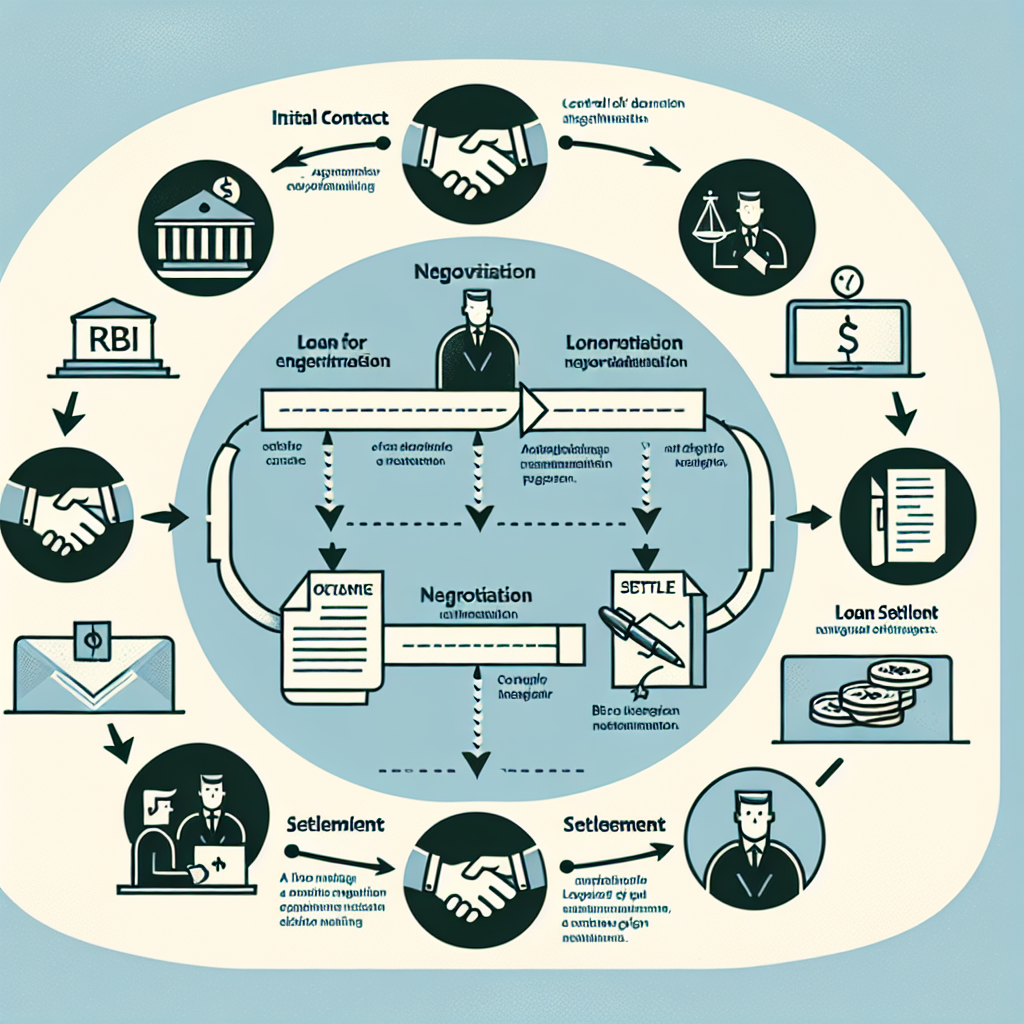
Legal Timelines and Flowchart
Illustrative Timeline:
Stage | Action | Typical Timeframe |
|---|
Default Occurs | Borrower misses EMI | Day 0 |
Notice Preparation | Lender drafts notice | Day 5–7 |
Notice Sent | Via Registered Post / Email | Day 10 |
Borrower Response Window | Negotiation / repayment | Day 10–25 |
Legal Action | If ignored, lender initiates case | Day 30+ |
Real-World Data & Regulatory Insights
The Reserve Bank of India (RBI) mandates that lenders must offer borrowers an opportunity to respond before declaring a loan as fraud or NPA.
Source: RBI Circular on Defaulters’ Rights (2024)
As per the SARFAESI Act, over ₹1.1 lakh crore worth of secured assets were recovered through demand notices and enforcement actions in FY 2023–24.
Source: Economic Times Report
This underlines the critical role that demand notices play in debt recovery and credit discipline.
How AMA Legal Solutions Can Help
At AMA Legal Solutions, we provide specialized legal services to both lenders and borrowers regarding demand notices, loan defaults, and recovery matters.
Our Services Include:
Drafting legally compliant demand notices
Responding to loan recovery notices
Negotiating settlements or revised repayment plans
Representing clients before Civil Courts and DRTs
Compliance with SARFAESI and NI Act provisions
Why Choose Us:
✅ Expert legal drafting and representation
✅ Proven track record in recovery and dispute resolution
✅ Transparent, ethical legal process
✅ Personalized consultation for every client
To book a consultation, click here.
A demand notice is more than just a formal letter - it’s a powerful legal tool that can determine the course of your case. Whether you are a lender trying to recover dues or a borrower facing a demand notice for loan, taking timely legal advice can save you from unnecessary litigation.
At AMA Legal Solutions, we help clients navigate every step of the demand notice process — from drafting and negotiation to recovery or defense in court.
👉 Need help with a Demand Notice?
Contact our legal experts today at www.amalegalsolutions.com or click here to book a consultation.