Caught in a cycle of endless EMIs and mounting credit card bills? You’re not alone. Understanding how to get out of debt trap is critical today, especially for Indian consumers grappling with high-interest loans, job losses, and financial emergencies. In fact, according to the Reserve Bank of India (RBI), India’s household debt rose by 17.8% in 2024, much faster than income growth — a sign that more and more people are slipping into a debt trap.
So, how to get out of debt trap legally, safely, and permanently? In this guide, you’ll find a step-by-step approach, practical legal solutions, and advice on your rights — so you can start your journey to freedom from debt.
Whether you’re dealing with credit card dues, personal loans, or aggressive recovery agents, this blog from AMA Legal Solutions gives you everything you need to know about how to get out of debt trap in India.
What Is a Debt Trap?
A debt trap happens when your debt obligations are so high that you’re forced to take new loans to pay off existing ones. It’s a vicious cycle, especially with unsecured loans like credit cards and personal loans where interest rates can cross 30–40% annually.
Common Signs You're in a Debt Trap
Monthly loan EMIs exceed 50% of your income
You use one credit card to pay another
You have multiple overdue EMIs
You’re skipping essentials to repay loans
You're receiving legal notices or recovery calls
Why Do People Fall into a Debt Trap?
1. Over-Borrowing on Credit Cards
Credit card loans are among the costliest in India. Without budgeting, people end up repaying just the minimum due, piling up interest.
2. Easy Personal Loan Approvals
Fintechs and NBFCs offer personal loans without thorough income checks. This easy credit leads to overspending and repayment defaults.
3. Lack of Financial Literacy
Most borrowers don’t understand interest structures, EMI planning, or the consequences of delayed payments.
4. Medical or Family Emergencies
Unexpected events force many to borrow beyond their capacity.
How to Get Out of Debt Trap in India – Step-by-Step
Evaluate Your Financial Position
Make a Debt Inventory
List all your liabilities — credit cards, personal loans, buy-now-pay-later apps, and informal borrowings. Include:
Outstanding amount
Interest rate
EMI
Payment date
Prioritize Repayments
Focus on:
Consolidate and Negotiate
Debt Consolidation
Merge multiple debts into a single low-interest loan. This helps lower your EMI burden.
Example: If you have 3 personal loans at 18%, you can shift to a secured loan at 11%.
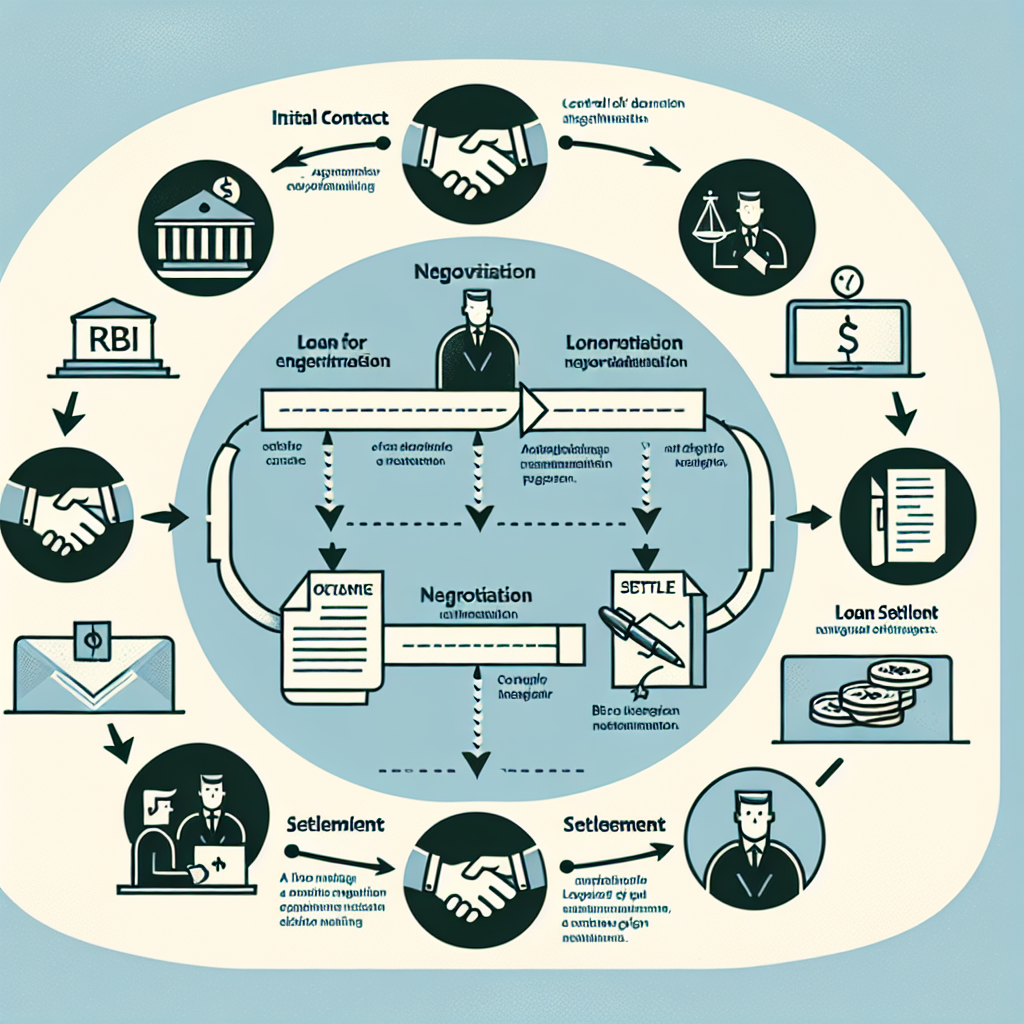
Negotiate with Creditors
With legal help, you can:
AMA Legal Solutions can legally assist in negotiating settlements with banks and NBFCs.
Use Legal Protection if Harassed by Recovery Agents
Know Your Rights Under RBI Guidelines
Recovery agents cannot:
✅ Reference: RBI Recovery Agent Guidelines
File a Complaint if Needed
You can:
AMA Legal Solutions helps clients file RBI/Police complaints across India.
Consider Legal Debt Settlement Services
What Is Debt Settlement?
A legal debt settlement is a negotiation between you and the lender where you agree to pay a lower amount to close your loan permanently.
When Should You Choose It?
Always do this with legal representation to avoid future disputes. Visit AMA Legal Solutions to consult experts.
Build a Financial Recovery Plan
Budgeting and Expense Control
Start tracking:
Increase Your Income
Emergency Fund
Build at least 3–6 months’ expenses in a liquid instrument to avoid future debt.
Getting trapped in debt is stressful - but not permanent. With the right legal guidance and financial discipline, you can break free.
Remember, you’re not alone. Thousands of Indians are asking how to get out of debt trap, and many have found relief through debt restructuring, negotiation, and legal support.
If you or someone you know is in a debt trap, contact AMA Legal Solutions — we’ve helped 3000+ individuals legally settle debts, stop harassment, and start over.
👉 Take the first step today. Book your consultation now.
According to SEBI data, over 30% of retail investors in India rely on credit to fund their investments — a risky trend that often leads to financial distress. Now more than ever, knowing how to get out of debt trap is your key to lasting financial security.